Written by: Kevin
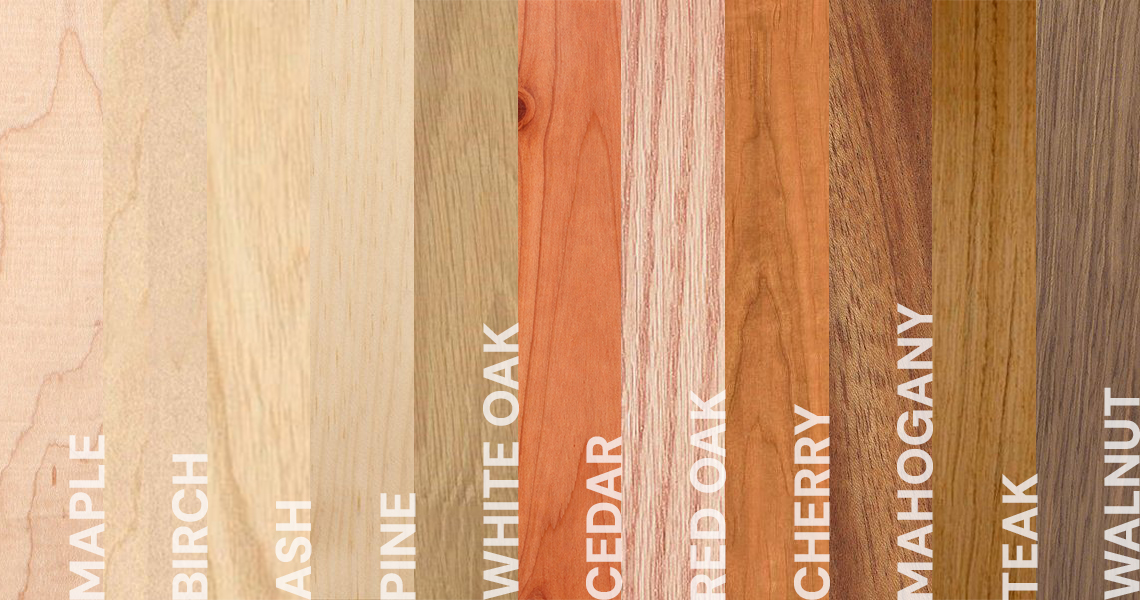
How to choose the right wood for a piece you’ll live with for decades
Most people start this decision the same way: “What’s the best wood?”
It’s a fair question, and it’s usually asked with good intentions. You want something beautiful. Something durable. Something worth the money. Something that will still feel right in ten years.
But the better question is quieter.
“What wood makes sense for how I actually live?”
Because wood is not a paint colour. It is not a swatch. It is a living material that carries its own temperament: how it handles light, how it reacts to seasons, how it takes wear, how it shows time.
Choosing from the many types of wood for furniture is not about picking a winner. It is about alignment.
This guide is meant to help you choose confidently. Not quickly. Confidently.
IMAGE SUGGESTION: HERO IMAGE OF A FINISHED TABLETOP IN NATURAL LIGHT, WITH TWO OR THREE WOOD SAMPLES (WALNUT, MAPLE, OAK) IN THE FOREGROUND.
Start here: what do you want this piece to do?
Before we talk species, it helps to name what you are asking the furniture to be.
1) Function
- Is it a daily-use surface (dining table, desk, kitchen table)?
- Is it more occasional (console, nightstand, entry bench)?
- Will it hold weight (shelves, long spans, cabinet tops)?
- Will it be touched constantly (drawer fronts, chair arms)?
The same wood can be a great choice in one application and a frustrating one in another.
2) Lifestyle
- Kids who treat a table like a landing strip
- Pets who believe every surface is theirs
- Hosts who actually host
- People who use coasters or people who do not
Durability is not just a property of wood. It is a relationship between wood and lifestyle.
3) Environment
Wood moves with seasonal humidity. It changes with sunlight. It responds to heat sources and cold walls.
Most well-made furniture anticipates movement. Still, certain woods are more forgiving than others.
4) Aesthetic role
Do you want the piece to be:
- A quiet support, letting everything else shine?
- A focal point that anchors the room?
- A bridge between other elements (flooring, cabinets, trim)?
Wood choice has a strong influence here because grain and colour are visual weight.
IMAGE SUGGESTION: SIMPLE DIAGRAM OR PHOTO GRID SHOWING “LIGHT WOODS VS DARK WOODS” IN THE SAME ROOM STYLE.
Hardwood vs softwood: the useful distinction
You’ll hear “hardwood vs softwood” often in furniture conversations. It is a helpful framing, with one important caveat: hardwood does not always mean hard, and softwood does not always mean weak. The terms describe the type of tree, not a guarantee of performance.
Still, in furniture-making:
- Hardwoods are most commonly used for heirloom pieces because they tend to be denser and more durable.
- Softwoods are often used for rustic furniture, painted pieces, budget builds, and certain outdoor applications.
If you want a piece that will handle decades of use with grace, hardwood is usually where you start.
The two questions that solve most wood decisions
If I could reduce the decision to two questions, it would be these:
1) Do you want the wood to show time?
Some woods wear like denim. They take on stories. Dents and marks become part of the character.
Other woods feel more like stone. They resist change and keep their surface more consistent.
Neither is better. One is just more honest for you.
2) Are you matching colour, or matching feeling?
A lot of people say “I want walnut” when they really mean “I want warmth and depth.”
Others say “I want a light wood” when they really mean “I want calm.”
Naming the feeling helps you choose more accurately than chasing a species name.
The signature staples: walnut and maple
At Redbird, we’ll work with a range of woods, but our core is intentionally focused. It lets us be excellent rather than broad.
| What it looks like | Durability | Aging | Best uses | Good to know | |
|---|---|---|---|---|---|
| Black walnut |
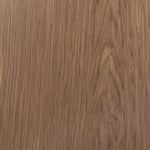 Deep brown heartwood with natural variation, grain is present but not loud |
Strong and stable, but not the hardest hardwood, shows dents more easily than maple or white oak | Mellowing over time, can lighten slightly with sun exposure in a subtle, attractive way | Dining tables, desks, casework, bed frames, statement pieces | Not ideal if you want a pristine surface forever, excellent if you value quiet patina and character |
| Maple / hard maple |
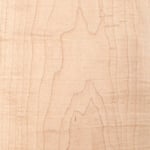 Light, creamy tones with subtle grain, sometimes figured with curly or birdseye patterns |
Very tough and dent-resistant | Warms slightly over time, especially with oil finishes, generally remains consistent | Desks, dining tables, cabinets, dressers, high-touch daily pieces | Can stain unevenly without care, often best celebrated in its natural tone |
A practical guide to other common furniture woods
To keep this useful, I’ll cover the most common species people consider, with honest pros, cons, and best uses.
| What it looks like | Durability | Aging | Best uses | Good to know | |
|---|---|---|---|---|---|
| White oak |
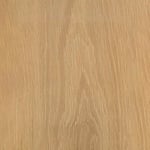 Pronounced grain, visible texture, often feels more neutral |
Excellent | Deepens and warms over time | Dining tables, chairs, cabinets, bed frames, shelving | More moisture-resistant than red oak and often feels slightly more refined |
| Red oak |
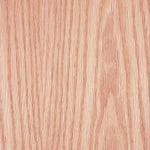 Pronounced grain, visible texture, often leans warmer |
Excellent | Deepens and warms over time | Dining tables, chairs, cabinets, bed frames, shelving | More open grain and often more budget-friendly |
| Cherry |
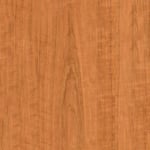 Fine grain, smooth texture, starts lighter and becomes richer |
Moderate | Darkens noticeably with light, often into deep reddish-brown | Dressers, nightstands, cabinetry, dining pieces where patina is welcome | Covered areas can age unevenly at first, usually evens out over time |
| Ash |
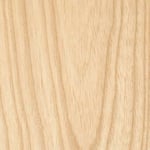 Light-toned with bold grain, often reads cleaner than oak |
Strong and resilient | Generally warms slightly over time | Chairs, tables, modern pieces that want grain without heaviness | Takes stain well and can be finished in modern tones beautifully |
| Birch |
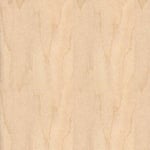 Light, subtle grain, sometimes more active than maple |
Strong for its price point | Generally warms slightly over time | Cabinetry, drawer boxes, painted furniture, modern utility pieces | Can blotch if stained without care |
| Mahogany |
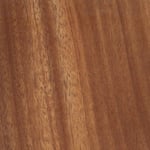 Reddish-brown tones, refined grain, classic presence |
Strong and stable | Tends to deepen and mellow | Casework, desks, formal dining pieces, legacy-style furniture | “Mahogany” can mean different species, sourcing and specificity matter |
| Teak |
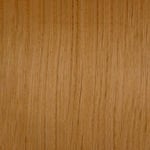 Golden brown, straight grain, soft luster |
Excellent, especially in moisture | Ages gracefully, often to a warmer, deeper tone | Outdoor furniture, mid-century modern inspired indoor pieces, humid environments | Expensive and oily, affects finishing and glue-ups, worth it when performance is needed |
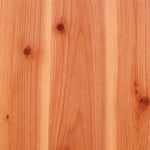
| Pine |
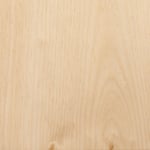 Light color, visible knots, strong character |
Low dent resistance | Shows wear quickly, patina develops fast | Rustic furniture, painted pieces, cottage styles, low-cost projects | Looks best when you accept its nature and embrace patina |
| Aromatic cedar |
|
Soft, dents easily | Aroma fades gradually over time, color mellows | Chests, closets, storage pieces, small interior furniture | Naturally aromatic and pest-resistant, not ideal for high-wear surfaces |
How wood choice affects price
This deserves its own section because it’s one of the most practical factors, and also the one people often feel awkward asking about.
Wood impacts price in a few ways:
1) Raw material cost
Some woods simply cost more per board foot because they are less available or in higher demand.
In many markets:
- Pine, birch, and red oak often sit lower
- Maple and white oak sit mid-range
- Walnut is often higher
- Teak, true mahogany, and rosewood are typically premium and sometimes volatile
2) Yield and waste
A board can be expensive, but what matters is how much of it is usable.
Highly figured wood, wide slabs, or consistent colour matching can increase waste. That waste becomes cost.
3) Labour and finishing complexity
Some woods are harder on tools. Some are harder to stain evenly. Some require special handling. Time becomes cost.
4) Construction choices
Sometimes the right decision is not “all solid wood everywhere.”
A well-built piece may use:
- solid wood for frames and edges
- stable panels (often plywood) where movement would otherwise cause problems
- veneer thoughtfully, not as a shortcut, but as a structural decision
The key is transparency and quality. Veneer done well can be beautiful and long-lasting. Veneer done cheaply is disposable.
IMAGE SUGGESTION: PHOTO OF A MAKER HOLDING A BOARD WITH A FEW PRICE TAGS OR LABELS LIKE “STANDARD,” “PREMIUM,” “EXOTIC” TO VISUALIZE BUDGET TIERS.
Matching wood to your space
This is where wood becomes interior design without trying too hard.
Light and room mood
- Light woods tend to open a space up.
- Dark woods tend to anchor and add contrast.
If your home is already full of warm woods, a cool-toned walnut piece can feel balanced. If your home is bright and minimal, maple can feel like a continuation.
Grain as texture
Grain is visual texture. The bolder the grain, the more “movement” the piece adds to a room.
If your room already has a lot of pattern, a quieter wood may feel calmer. If your room is simple, a dramatic grain can become the focal point.
Matching without copying
You do not need to match all the wood in a home.
A better goal is coherence:
- repeat an undertone
- repeat a finish level (matte vs glossy)
- repeat a design language (modern, traditional, rustic)
Wood choice is one part of that story.
Choosing wood by application
Here’s a quick guide that tends to hold true.
Dining tables
Needs: durability, stability, repairability
Great options: white oak, maple, walnut (if you welcome patina), ash
Approach: choose based on lifestyle. Tables are honest surfaces.
See examples of our solid walnut dining tables.
Desks
Needs: a surface you enjoy touching daily
Great options: maple, walnut, cherry
Approach: consider glare, feel, and how easily marks show.
Casework (dressers, cabinets, shelving)
Needs: stability, consistent grain, strong joinery
Great options: walnut, maple, oak, cherry, mahogany, birch in certain builds
Approach: decide whether the piece should be quiet or present.
Outdoor furniture
Needs: rot resistance and weather performance
Great options: teak, cedar, redwood, white oak in some designs
Approach: decide whether you want a maintained finish or weathered patina.
IMAGE SUGGESTION: “BEST WOODS BY FURNITURE TYPE” TABLE GRAPHIC.
A note on “best wood” and the temptation to over-optimize
It’s easy to turn this into a spreadsheet problem.
Hardness ratings. Cost per board foot. Moisture movement charts.
That information matters. But it is not the whole thing.
The best wood for furniture is often the one you are excited to live with.
The one that feels right in your home. The one that matches your values. The one that fits your budget without compromising what matters.
When you choose wood with intention, the finished piece carries that intention quietly. You can feel it.
How we help clients choose at Redbird
Most clients don’t need more information. They need clarity.
Our role is to translate the options into a decision that makes sense for your life and your space, then build it properly.
Here’s what that support looks like in practice:
- We talk through the piece, the room, and the intended use
- We discuss how you feel about patina and change
- We factor budget honestly, including what drives cost
- We recommend woods based on alignment, not trends
- We build with movement and longevity in mind
The goal is not to sell you a species.
The goal is to build something that feels inevitable in your home.
Closing thought
Wood is a material you live with.
You will see it in morning light. You will run your hand across it without thinking. You will place your keys on it, your coffee on it, your life on it.
So it’s worth choosing carefully.
Not obsessively. Just carefully.
If you’re exploring options for your own piece, this is exactly the kind of conversation we enjoy having.