
How Long Does Custom Furniture Take to Build?
Written by: Kevin
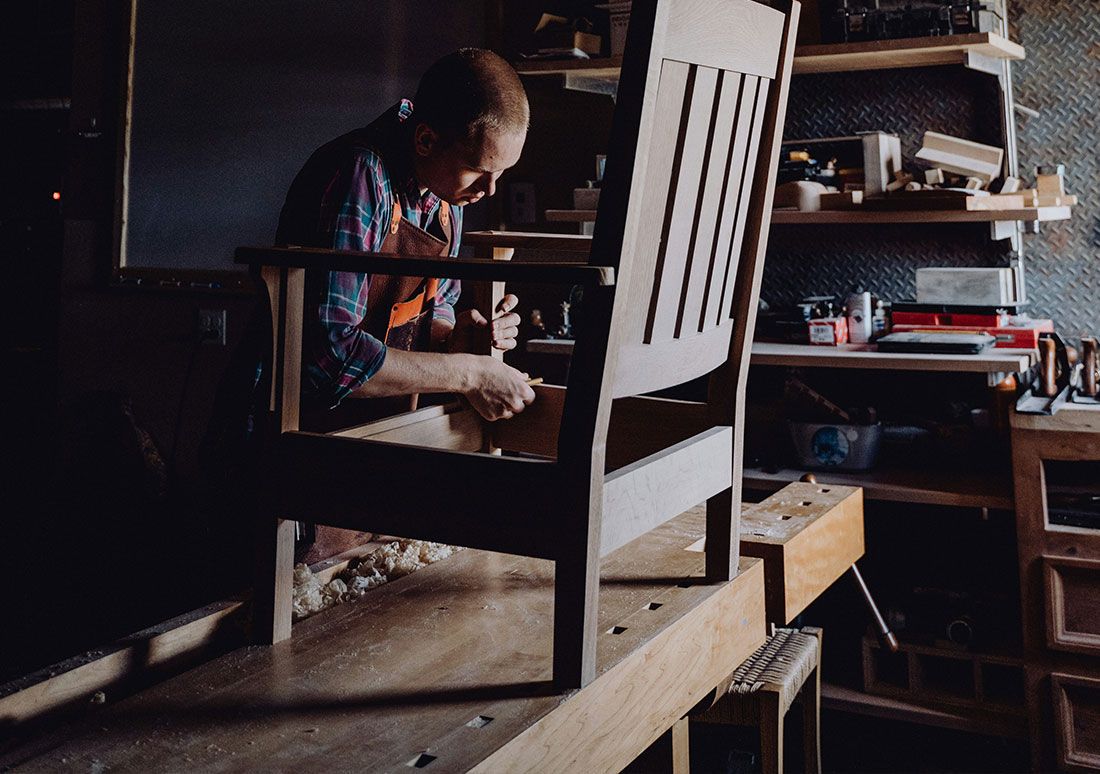
One of the most common questions people ask when considering custom furniture is simple:
How long will it take?
It’s a fair question. Most of us are used to ordering furniture online and having it arrive within days or weeks. Custom furniture works differently.
Unlike mass-produced pieces, custom furniture is designed and built specifically for one person, one home, and one purpose. That process takes time.
In most cases, a realistic timeline from the first conversation to a finished piece is anywhere from a few weeks to one or two months, depending on the size and complexity of the project.
To understand why, it helps to look at what actually happens between the first idea and the finished piece.
Step 1: The Design Conversation
Before any wood is cut, there is always a design process.
When someone reaches out about a custom piece, the first step usually involves conversations about what they’re looking for and how the piece will be used. That might include:
- discussing the space where the furniture will live
- reviewing inspiration or design ideas
- taking measurements
- sketching possible concepts
- refining proportions and details
This stage ensures the final piece fits the room and the client’s needs.
If you’re considering a custom piece and want to see how that process typically works, you can explore the custom furniture project process here.
In most cases, the design phase takes a few days to about a week, depending on how complex the piece is and how quickly decisions are finalized.
Once the design is settled, the real building process begins.
Step 2: Selecting and Preparing the Wood
The first step in the shop isn’t cutting joinery or assembling the piece.
It starts with the wood itself.
Boards are selected based on grain, colour, and structural integrity. If you're curious about how different species affect appearance, durability, and cost, you can read more about that here: “Types of Wood for Furniture”. Once the lumber is chosen, it’s milled flat and square so the boards can be accurately joined together later.
Even when wood is purchased pre-dried from a supplier, it still needs time to acclimatize to the shop environment. Wood naturally expands and contracts with changes in humidity and temperature. Allowing it to settle ensures stability before the build begins.
This preparation step may not be visible in the final piece, but it plays a big role in how the furniture performs over time.
Step 3: Joinery and Construction
Once the lumber is prepared, the piece can finally begin to take shape.
This stage involves cutting the joinery that holds everything together. Depending on the piece, that could include:
- mortise and tenon joints
- dovetail drawers
- reinforced table bases
- structural supports
Joinery is often the most time-intensive part of furniture making. These connections are responsible for the strength and longevity of the piece.
When furniture is mass-produced, many of these structural details are replaced with screws, brackets, or composite panels. Custom furniture relies on stronger, more traditional joinery methods that take longer to execute but dramatically improve durability.
This is where much of the craftsmanship lives, even though most of it becomes invisible once the piece is assembled.
Step 4: Assembly
After the joinery is cut and tested, the piece is assembled.
This is when everything finally comes together, and the design becomes real. Panels are glued, frames are clamped, and structural components are locked into place.
Once assembled, the piece still isn’t finished. It moves into one of the most time-consuming parts of the process.
Step 5: Finishing
Finishing is often the stage that surprises people the most.
Many assume that once the furniture is assembled, the final steps happen quickly. In reality, finishing can take several days or even weeks, depending on the finish used.
A durable finish typically involves:
- sanding the entire piece
- applying multiple coats of finish
- allowing each coat to cure
- lightly sanding between coats
- allowing a final cure time before delivery
Some finishes also require extended curing periods to reach full durability.
This waiting time is essential. Rushing the finish can lead to surface imperfections, durability problems, or damage that shows up months later.
Why Waiting Is Often the Longest Part
One of the biggest surprises for people is how much of the timeline involves waiting.
Certain steps simply cannot be rushed.
Finishes need time to cure.
Adhesives need time to set.
Wood needs time to stabilize.
Even epoxy, when used in certain designs, can take significant time to fully cure before additional work can continue.
These waiting periods aren’t delays. They’re part of ensuring the finished piece performs the way it should.
A Realistic Timeline for Custom Furniture
When everything is considered, a typical timeline looks something like this:
Design phase: a few days to about a week
Shop preparation and milling: several days
Joinery and construction: one to several weeks, depending on complexity
Finishing and curing: several days to multiple weeks
From the first conversation to final delivery, most custom furniture projects fall somewhere between a few weeks and one to two months.
Smaller pieces may move faster. Larger or more complex builds may take longer.
For dining table projects, see our walnut dining tables built to order page.
Why Rushing Furniture Is Usually a Bad Idea
Furniture making rewards patience.
There’s an old saying often used in woodworking and other crafts:
“Slow is smooth, and smooth is fast.”
When things are rushed, mistakes happen. Joinery can be misaligned. Finishes can fail. Adhesives may not fully cure.
Even a small mistake made early in the process can compromise the entire piece.
Taking the time to work carefully reduces those risks and ensures the final result meets the standard both the maker and the client expect.
The Value of Doing It Properly
Taking the time to build furniture properly offers several benefits.
First, it ensures the client receives exactly what they asked for. The goal is always to build pieces that live comfortably in real homes, not just look good in a showroom. Custom furniture is built around specific dimensions, needs, and design preferences.
Second, it protects the longevity of the piece. Proper joinery, finishing, and material preparation help ensure the furniture lasts for decades rather than years.
Finally, it preserves the integrity of the work itself. Rushing steps like finishing or epoxy curing can damage a project beyond repair.
Custom furniture isn’t meant to be fast.
It’s meant to be thoughtful, durable, and built with care.
Final Thoughts
When people ask how long custom furniture takes to build, the honest answer is that good work takes time.
Designing the piece, selecting the right materials, cutting strong joinery, and allowing finishes to cure properly are all part of building furniture that lasts.
That process may take longer than ordering something off the shelf, but it results in a piece made specifically for one home and one purpose.
And that’s ultimately the point of custom furniture.
Ready to Bring a Redbird Piece Into Your Home?
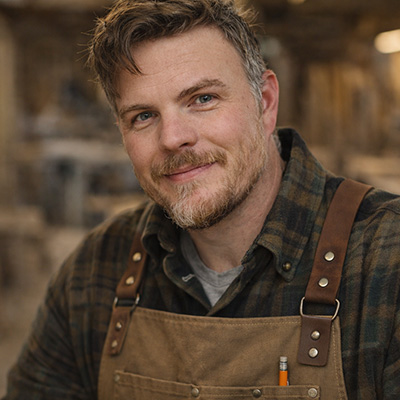
Kevin
Kevin is the maker behind Redbird Furniture. After years spent building companies, he turned his focus toward working with his hands and creating objects with purpose. He builds furniture with intention, with care for materials, proportion, and longevity. The Redbird Journal documents the space, process, and thinking behind the work.