
What Makes Solid Wood Furniture Worth the Cost
Written by: Kevin
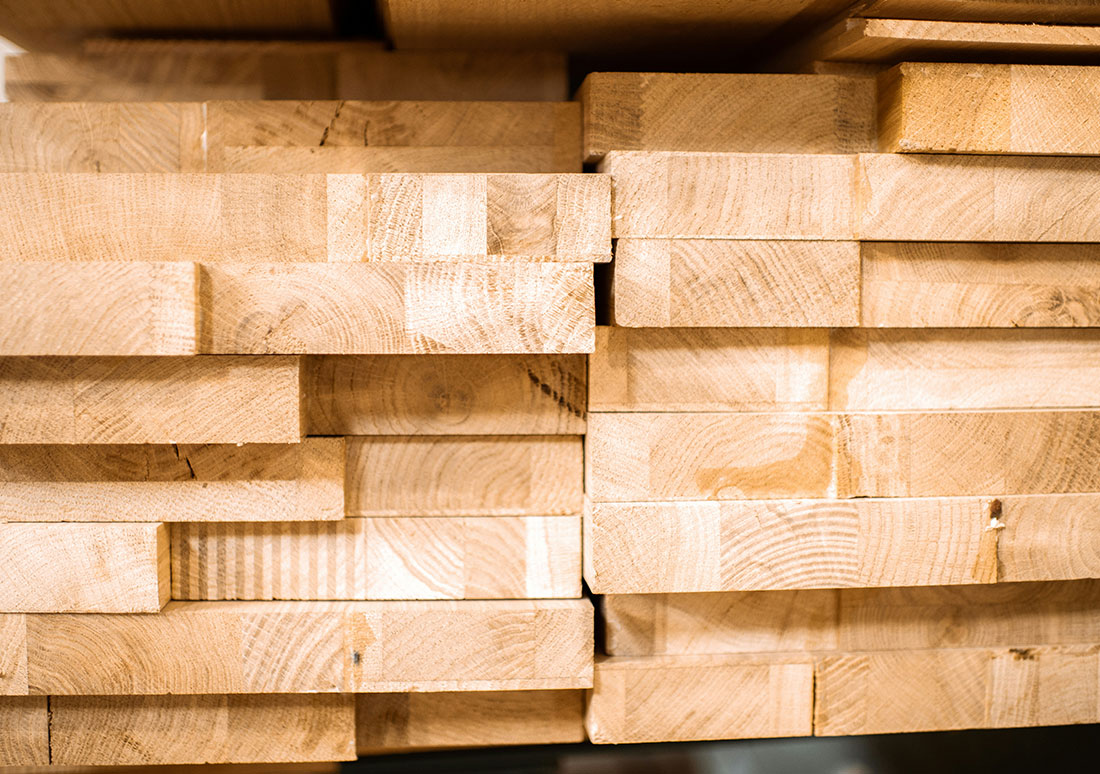
Expensive is the wrong word for it. Solid wood furniture is priced the way furniture used to be priced, before most of it got cheaper by getting worse.
That is the part the price tag never explains. A solid oak sideboard and a veneered one can sit side by side at very different prices, and the cheaper one looks like the smarter buy. It usually is not.
The gap is not markup. It is what happens over the next twenty years.
Here is the short version. Solid wood furniture costs more because it is built from real boards, cut with waste, joined to move with the seasons, and finished to be renewed rather than replaced. You are paying for material and time up front, in exchange for a piece that can be repaired and kept instead of thrown out. Whether that is worth it depends on one thing: how long you plan to live with it.
The rest of this is where the cost actually goes.
What “solid wood” has to mean before the price makes sense
Most of the furniture sold as wood is not solid wood.
It is a thin skin of real veneer over particleboard, MDF, or plywood. Photographed well, it is indistinguishable from the real thing. Priced low, it moves fast.
Solid wood furniture is built from actual boards all the way through. The top, the sides, the drawer fronts, the legs. When you sand into the surface, there is more of the same wood underneath, not a core of glued dust.
That distinction is the whole reason cost enters the conversation. Choosing solid wood for furniture means buying more material, working it more carefully, and accepting that the board will move for the rest of its life. None of that is free, and none of it shows up in a photograph.
Where the money goes
Start with the board.
A rough plank is never all usable. Knots, checks, sapwood, and cupping get cut away before anything is built. On a good piece, a meaningful share of the lumber ends up as offcut. You pay for the whole board and keep the best of it.
Then there is the labour that veneer skips.
A veneered panel arrives flat, uniform, and ready to cut. Solid boards have to be flattened, jointed, glued into wider panels, and worked until the surface is true. Every step is time, and time is the largest cost in a one-person shop.
Joinery is the next layer. A drawer built to last is joined, not stapled. A table built to last is engineered so the top can expand and contract without splitting. That construction is invisible when the piece is new and decisive when it is old.
I wrote about this in more detail for one material in why solid walnut dining tables cost more. The logic holds across the board, whatever the species.
What you are actually buying
You are buying a piece that can be fixed.
A solid top can be sanded back and refinished when it wears. A loose joint can be reglued. A deep scratch can disappear. The piece can be brought back to true decades after it was made, because there is real wood to work with.
Veneer does not give you that. Sand through the skin and you reach the core, and the repair is over. When a veneered piece fails, it is usually replaced, not renewed.
That is the honest case for the cost. Not that solid wood looks better on day one, though it often does. That it is still there, and still repairable, on day seven thousand.
Wood moving with the seasons is part of the deal. Solid boards swell in humid months and shrink in dry ones. A well-built piece is made for that movement. It is not a flaw to design out. It is the reason the material lasts.
When solid wood is not worth it
It is not always the right call, and pretending otherwise is how trust gets lost.
If you are furnishing a short-term rental, a room you will redo in three years, or a stage of life that is about to change, solid wood is more than the situation needs. Buy something honest and inexpensive and move on.
The cost earns itself over time. Take the time away and you are paying for longevity you will not use.
Solid wood makes sense when you intend to keep the piece. A dining table for a home you are staying in. A dresser you want your kids to inherit. The commitment is what turns the price into value.
How to tell you are getting what you pay for
Price alone proves nothing. Plenty of expensive furniture is veneer with a good story.
Look at the edges and the underside. On a solid piece, the grain runs around the corner and continues underneath. A veneer edge usually shows a seam where the skin stops. Ask the seller directly whether the piece is solid hardwood or veneer over a core. A real answer comes back plainly.
For solid wood furniture in Canada, the most reliable signal is a maker you can name. Someone who tells you the species, where the wood came from, and where the piece was built. That is not marketing. It is accountability.
I build solid wood furniture one piece at a time in Uxbridge, Ontario. My walnut dining tables with steel bases are solid black walnut, never veneer, sized to the room and made to be kept. If a table I built ever needs attention in twenty years, there is a name to call and real wood to work with.
That is what the cost buys. Not a nicer surface. A piece that is still worth repairing long after a cheaper one would have been carried to the curb.
Frequently asked questions
Why does solid wood furniture cost more?
It is built from real boards throughout, which means more material, more waste cut away, and more time spent flattening, joining, and finishing the wood. Solid construction and honest joinery add cost that veneer over particleboard skips. You pay more up front for a piece that can be repaired and kept rather than replaced.
How long does solid wood furniture last?
A well-built solid wood piece can last generations. Because the surface is real wood, it can be sanded and refinished when it wears, and joints can be reglued rather than scrapped. Lifespan depends on construction more than on the species, but decades of daily use is normal for honest work.
Is solid wood furniture worth the cost?
For a piece you intend to keep, yes. The value comes from longevity and repairability, so it earns its price over years of use. If you only need furniture for the short term, an inexpensive piece is the more sensible choice.
How can I tell if furniture is solid wood or veneer?
Check the edges and underside. On solid wood, the grain wraps around the corner and continues underneath, while veneer usually shows a seam where the skin ends. The most direct test is to ask the seller whether the piece is solid hardwood or veneer over a core, and a maker who works in solid wood will tell you straight.
If you love solid wood furniture as much as we do, then we should talk!

Kevin
Kevin is the maker behind Redbird Furniture. After years spent building companies, he turned his focus toward working with his hands and creating objects with purpose. He builds furniture with intention, with care for materials, proportion, and longevity. The Redbird Journal documents the space, process, and thinking behind the work.