
What Is Mid-Century Modern Furniture? A Plain Explanation
Written by: Kevin
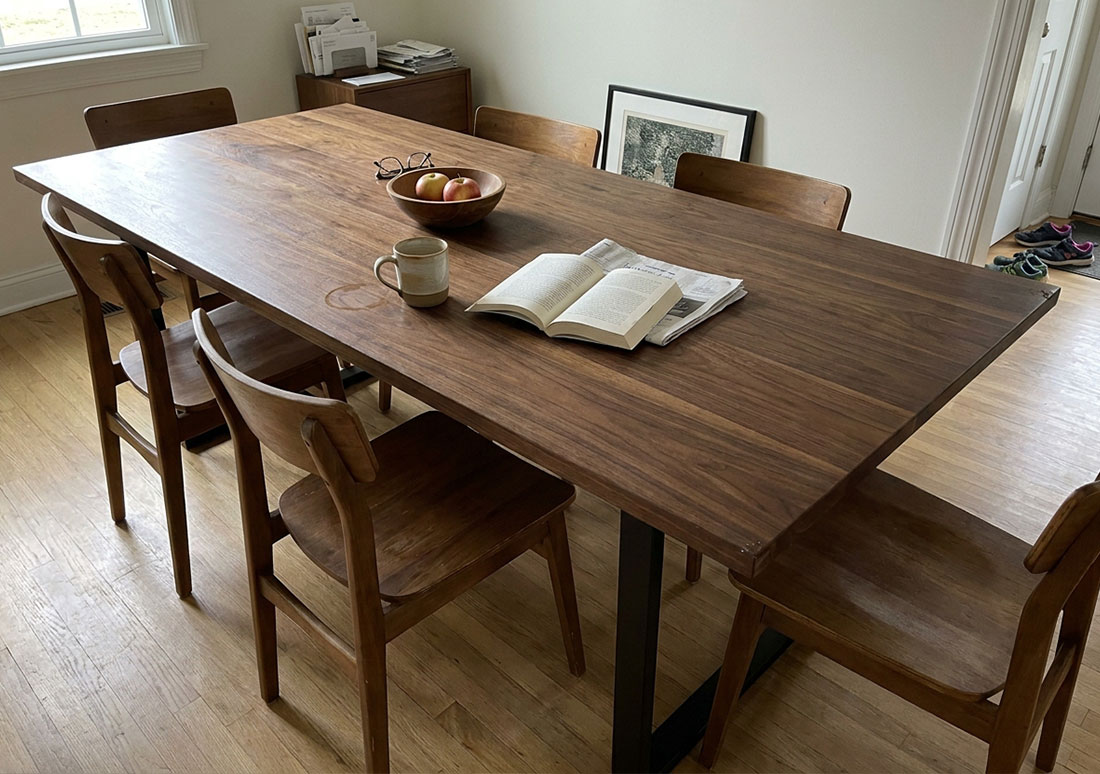
People ask me what mid-century modern means more often than almost any other style question. The label gets used so loosely that it has started to mean almost anything.
So here is the plain version. Mid-century modern furniture is a design style that emerged from roughly 1945 to 1965, when a generation of designers stripped furniture back to its essentials. Solid wood. Clean lines. Honest joinery. Function before ornament. Walnut, teak, and white oak were the woods most often used, joined cleanly and finished low.
That is the short answer. The longer one is what makes the style worth keeping.
Because the label has stretched to cover anything with a tapered leg, I find it more useful to talk about the decisions underneath. The shape is the easy part to copy. The construction is where the originals earn their seventy-year shelf life.
The style was a reaction, not a look
The designers who built mid-century furniture were moving away from something.
The decade before them was full of heavy casework, ornament, and applied detail. Furniture that pretended to be more than it was. They wanted the opposite. Pieces that showed their construction. Wood that read as wood. Joints that did real work.
That came through in the proportions. Tops got thinner. Aprons disappeared. Bases got lighter. Legs tapered as they dropped because a leg under load doesn’t need to be the same thickness all the way down.
I think of it less as a style and more as a set of structural choices that happened to age well. None of it was decoration. It was structure made visible.
What the originals actually shared
When I pull away the silhouettes, the era’s furniture has four things in common.
Solid wood, used honestly. Plywood appeared too, but it was shown as plywood — laminated edges visible, not hidden under veneer. The point was material truth, not the appearance of it.
Clean joinery. Dovetails, mortise and tenon, finger joints — joints that held the piece together and were allowed to be seen. Nothing was screwed and puttied to look like something else.
Restrained proportion. The work sat lighter in a room than the furniture it replaced. A dresser was tall and slim instead of squat and heavy. A dining table carried presence with a thin top and a quiet base.
Function-led form. A chair was shaped to a body, not to a silhouette. A console was sized to its contents. The form followed the use, which is why so many of the pieces still work in rooms built decades later.
The principles behind mid-century modern furniture come back to those four. Everything else — the tapered leg, the walnut tone, the splayed base — is a downstream effect of those decisions.
Why the originals have lasted
Seventy years on, the good pieces are still in use.
That isn’t nostalgia. Its construction. A solid walnut sideboard built in 1960 can be refinished, repaired, and kept in service longer than most of what gets sold this year. The wood has been moving the whole time, and the joints have held.
The pieces that haven’t lasted weren’t built the same way. They were styled the same way.
A lot of what gets labelled mid-century today is veneer over particleboard, with a tapered leg screwed to the underside. The shape is correct. The substance is not. That kind of piece can look right for a few years and then start to fail. Drawers swell. Edges chip. Finishes lift. The materials were not built to be lived with for a generation.
The mid-century pieces that survive are the ones that were never trying to look like anything. They were trying to work.
What gets called mid-century but isn’t
A few patterns show up over and over in furniture that uses the label loosely.
Veneer over a manufactured core, marketed as walnut. The grain is real on top. Everything underneath is engineered. The piece weighs less than it should, and the edge banding tells the truth if you look.
A taper that is decorative, not structural. The leg is the same thickness top to bottom, and then cut at an angle for visual effect. A real taper carries less mass at the bottom because there is less load down there.
Hardware as ornament. The originals used hardware that did a job — a drawer pull shaped to the hand, a hinge that wore in. Decorative cues borrowed from the era without the function behind them are the giveaway I look for first.
A finish that hides the wood. Mid-century finishes were low, oil-based, and often hand-rubbed. A high-gloss surface that blanks out the grain is fighting the material the style was built around.
None of this is wrong on its own. Plenty of furniture is fine to live with for a few years and then replace. It just isn’t what the original designers were making.
How to tell a piece that was built right
When people ask me how to spot the real thing, I give them five checks.
Lift it. Solid wood is heavier than what the same dimensions in veneer-over-core would weigh. The difference is obvious in the hand.
Look at the edges. A solid top will show end grain on the short sides — the same wood, the same character — running across the cut. A veneer top will show a thin band of facing material wrapped around a core.
Look under the table or the drawer. Joinery should be visible and clean. Dovetails, mortise and tenon, dowels. Screws and brackets aren’t disqualifying, but a piece built entirely on hardware isn’t built the way the era’s furniture was built.
Press the surface. A solid hardwood feels firm and slightly warm. A laminated or veneered surface feels harder and colder. The hand catches it before the eye does.
Read the description carefully. “Walnut finish” means stained to look like walnut. “Walnut veneer” means a thin layer of real walnut over a core. “Solid walnut” means the wood is the structure, not the skin.
Why I work in this tradition
Most of what I make has a mid-century lineage somewhere in it.
Not because the look is fashionable again. Because the decisions behind it are still right. Solid wood. Clean joints. Proportion that gives a room air. A piece that can be repaired and kept for as long as someone wants to live with it.
The walnut dining tables with steel bases I build come straight out of that thinking. A slim top, a base kept quiet under it, sized to the room. The work is contemporary, but the rules underneath haven’t changed.
If you want a piece made that way, the custom commission process is where it starts.
Frequently asked questions
What is mid-century modern furniture?
Mid-century modern furniture is a design that came out from roughly 1945 to 1965, built on solid wood, clean joinery, restrained proportion, and function before ornament. The style is defined by the decisions underneath — material honesty and structural clarity — more than by the silhouette people recognize. Walnut, teak, and white oak were the most common woods.
What years count as mid-century modern?
Most people place the period between about 1945 and 1965, though some references stretch it to 1969. The dates matter less than the design thinking that came out of them — the move toward honest material, lighter proportions, and function-led form. Pieces built in that spirit today still belong to the tradition.
What materials are used in mid-century modern furniture?
Solid hardwoods — most often walnut, teak, and white oak — joined cleanly and finished low. Plywood and steel were used too, shown honestly rather than hidden under veneer. The material was always meant to read as itself, which is part of why the originals have aged well.
Why is mid-century modern furniture still popular?
The proportions are calm, the materials are honest, and the construction holds up. Those aren’t stylistic features that date the way trends do — they’re choices that age into a room. A well-built mid-century piece works in a 1958 ranch and a 2025 condo without looking out of place in either.
How can you tell real mid-century modern furniture from a copy?
Weight, edges, joinery, and finish. Solid wood is heavier than veneer over a core. The end grain shows on the short sides of a real top. Joinery is visible and clean rather than hidden under brackets. And the finish is low and open, letting the grain through instead of sealing it under gloss.
Ready to Bring a Redbird Piece Into Your Home?
Kevin
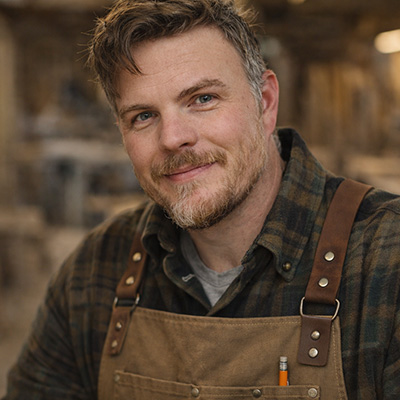
Kevin is the maker behind Redbird Furniture. After years spent building companies, he turned his focus toward working with his hands and creating objects with purpose. He builds furniture with intention, with care for materials, proportion, and longevity. The Redbird Journal documents the space, process, and thinking behind the work.